
Navigation controller system and method for retrieving control of a remotely controlled device
US Patent 11,092,957 describes a navigation controller system for regaining control of a remotely controlled vehicle, such as a drone, after the operator’s communication with it has been lost. Next to the drone’s normal onboard controller, the system adds an auxiliary controller module that communicates with the operator over a second, different communication mode. If the drone stops responding on its primary link, the operator sends a coded message over the backup link. The auxiliary module then disables the onboard primary controller and temporarily takes over control.
Most drones are flown over a single radio frequency (RF) command-and-control link. RF jammers can block that link. Drone hijacking happens when someone sends a stronger signal that impersonates the pilot’s controller, and drones can also simply fly out of RF range and lose signal. Built-in failsafes such as preprogrammed lost-link routines only run when the drone recognizes that something is wrong. As the patent explains, in many hijackings the onboard controller does not realize it has been taken over. The failsafe never triggers, and the drone and its payload can be lost.
The operator’s base controller sends flight instructions to the drone’s onboard primary controller over a first communication mode, such as RF signals.
An auxiliary controller module on the drone, either separate from or integrated into the onboard controller, communicates with the base controller over a different, second mode, such as cellular signals. The patent also covers the reverse arrangement (cellular primary, RF backup). In the described embodiments, the module uses a GSM module with a SIM card and receives SMS text messages.
The backup takeover is triggered only by a predetermined code known to the operator and the auxiliary module. In the SMS embodiment, the text message carries an authentication code plus the specific code. When the module receives it, the auxiliary module disables the onboard primary controller and takes over.
Once the auxiliary module is in control, the operator can send encoded instructions. The patent describes directing the drone to a base location or to a location given in the SMS, reporting its current coordinates or location history, tracking its path, and, as a last resort, self-destruct. Full control returns to the onboard primary controller once the primary link is restored.
The patent’s claims cover remotely controlled vehicles. The description uses flying drones as the main example and also mentions remotely operated cars. Later patents in this family extend the same coded-backup-channel concept to autonomous vehicles, ships, industrial plants and other control systems (see Related Stormfire patents below).
Yes. Security researchers have publicly demonstrated attacks that hijack a drone’s control link or spoof its GPS. US 11,092,957 addresses the situation where the operator’s primary link has been taken over or blocked by giving the operator a separate, code-protected backup channel.
Yes. RF jamming can block a drone’s primary control link. The patented system gives the operator a second, different communication mode, such as cellular, as another route for sending commands. The patent notes that this kind of alternative channel is generally harder to block.
Many drones run a built-in failsafe, such as return-to-home, when they detect signal loss. The patent points out that these routines may not trigger during a hijacking, because the drone may not recognize that someone else is controlling it. The auxiliary controller lets the operator act anyway.
No. Counter-drone takeover products are built to seize drones that belong to someone else. US 11,092,957 is about the rightful operator regaining control of their own drone, using a code that only they and the onboard module know.
Industries
Applications across critical industries
Designed to maintain secure and reliable communications when primary communication methods fail.
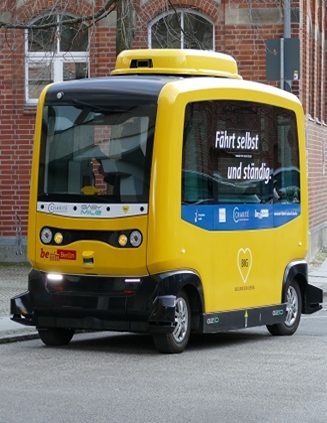 Autonomous Vehicles
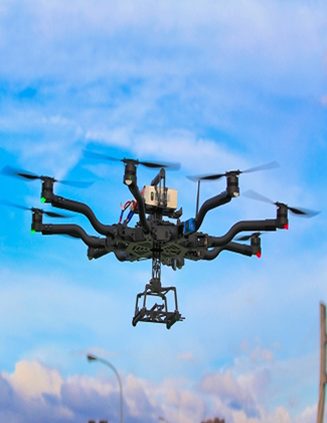 Drones
 Commercial Shipping
 Power Plants
To ask about licensing, leasing or buying US Patent 11,092,957 outright, contact us at info@stormfire.com.